Understand Your Needs
- Cooking Style: Identify the type of cooking you do most often. If you frequently stir-fry, a high-quality wok is essential. For baking enthusiasts, reliable baking trays and mixers are a must.
- Frequency of Use: Consider how often you cook. Daily cooks might benefit from durable, easy-to-clean materials, while occasional cooks might prioritize versatility and compact storage.
Material Matters
- Stainless Steel: Durable, non-reactive, and versatile. Ideal for pots, pans, and utensils.
- Cast Iron: Excellent heat retention and perfect for slow-cooking. Requires regular seasoning to maintain the non-stick surface.
- Non-Stick: Great for low-fat cooking and easy cleanup. Look for PFOA-free options for safer use.
- Copper: Superior heat conductivity, but requires regular polishing and maintenance.
Consider Safety and Ergonomics
- Handles and Lids: Ensure handles are securely attached and heat-resistant. Lids should fit snugly and be made of durable materials like tempered glass.
- Weight: Choose equipment that you can comfortably lift and maneuver. Heavy items like cast iron may not be suitable for everyone.
- Safety Features: Look for safety features such as cool-touch handles, secure lids, and stable bases.
Energy Efficiency
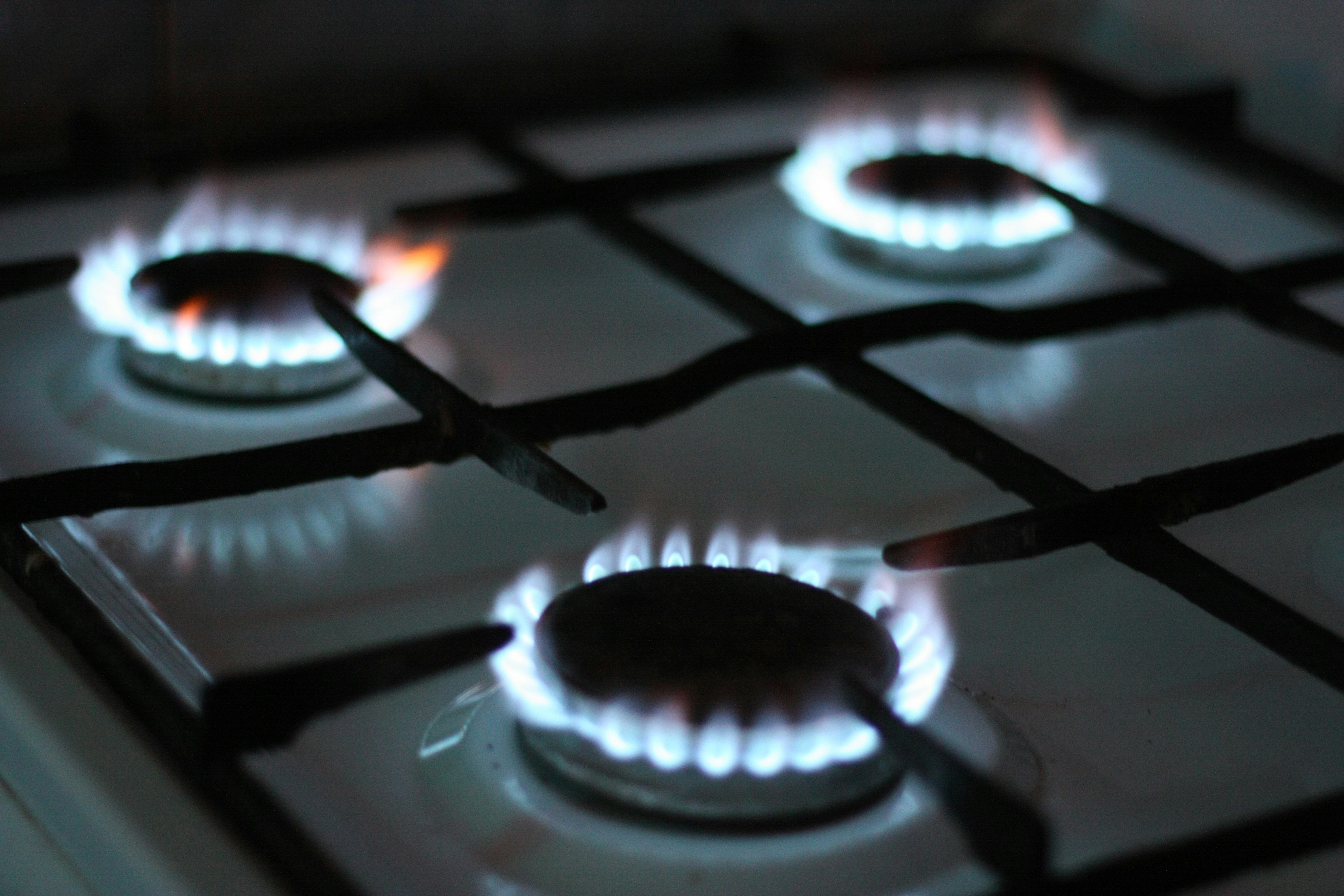
- Gas vs. Electric: Choose equipment compatible with your stove type. Gas stoves work well with most materials, while induction stoves require magnetic cookware.
- Oven Compatibility: Ensure that pots and pans are oven-safe if you plan to use them for baking or roasting.
Brand and Reviews
- Reputation: Opt for well-known brands that offer warranties and good customer support.
- Reviews: Read customer reviews and expert opinions to gauge the performance and durability of the equipment.